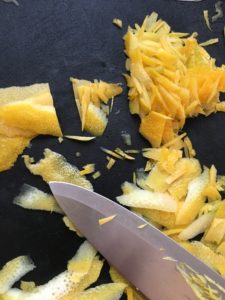
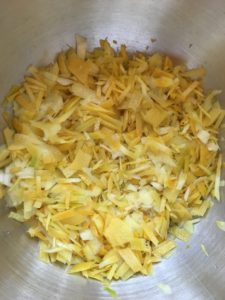
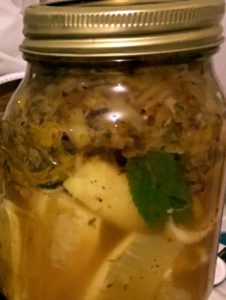
The author of a 13th-century cook book claimed to have learned this recipe from concubines at the court of the Ayyubid sultan of Egypt, al-Malik al-‘Adil (1200-1218). It requires a rather unusual citrus fruit called kabbad. However, it works splendidly with whatever large lemons you have to hand. The peel is fried in sesame oil, while the flesh of the lemons is immersed in wine vinegar sweetened with honey or sugar. Other ingredients include (toasted and pounded) hazelnuts, the atraf al-tib spice mix, as well as mint. [Wusla, 2017, No. 8.52]
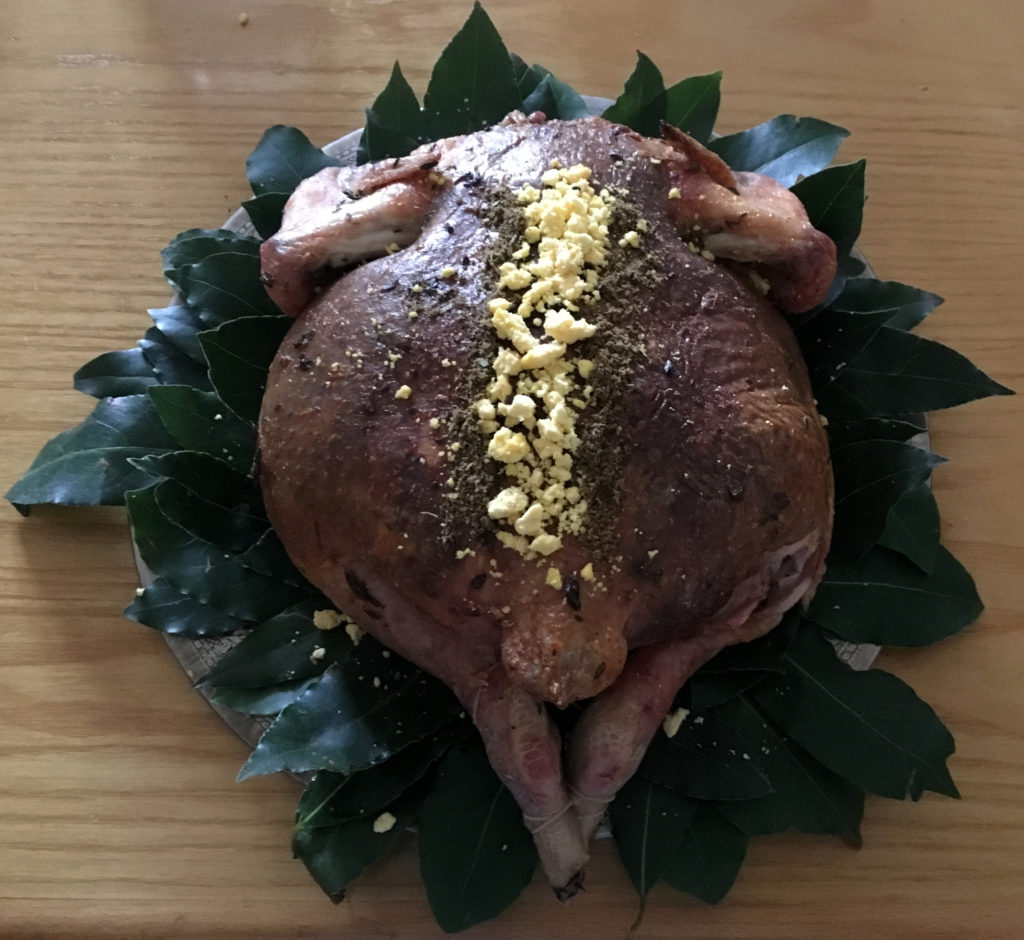
The dish derives its name from the fact that a mixture of garlic, salt, cinnamon, cassia, spikenard, and eggs is stuffed underneath the skin along the spine of the chicken. It is served on top of citron leaves and decorated with crumbled egg yolks. Before serving, prinkle on some spices and shredded rue. [Andalusian, fol. 12v.]
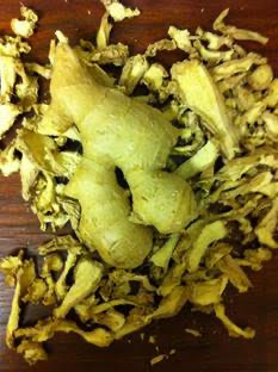
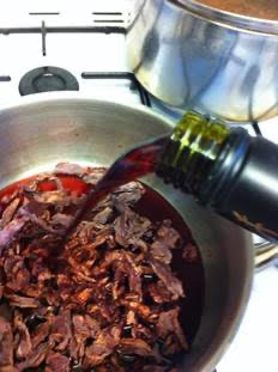
This recipe from 10th-century Iraq was recommended for people with cold temperaments. It is not difficult to make and can be enjoyed by itself as a sweet. It is very unusual in that it is one of the rare mediaeval recipes requiring wine, in which to soak the ginger. Afterwards, the ginger is cooked with saffron and honey before adding various spices (e.g. saffron, spikenard, black cardamom and pepper). Although the author suggested storing it for a few months, it tastes quite nice already a few days later!
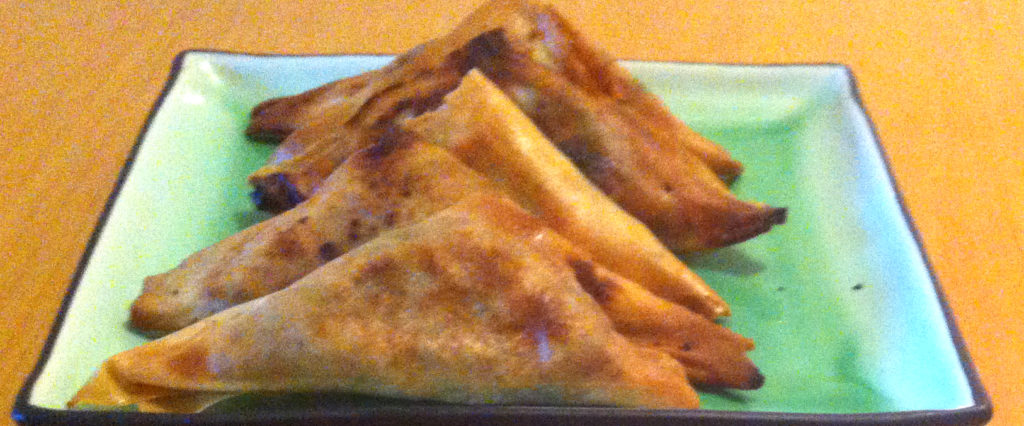
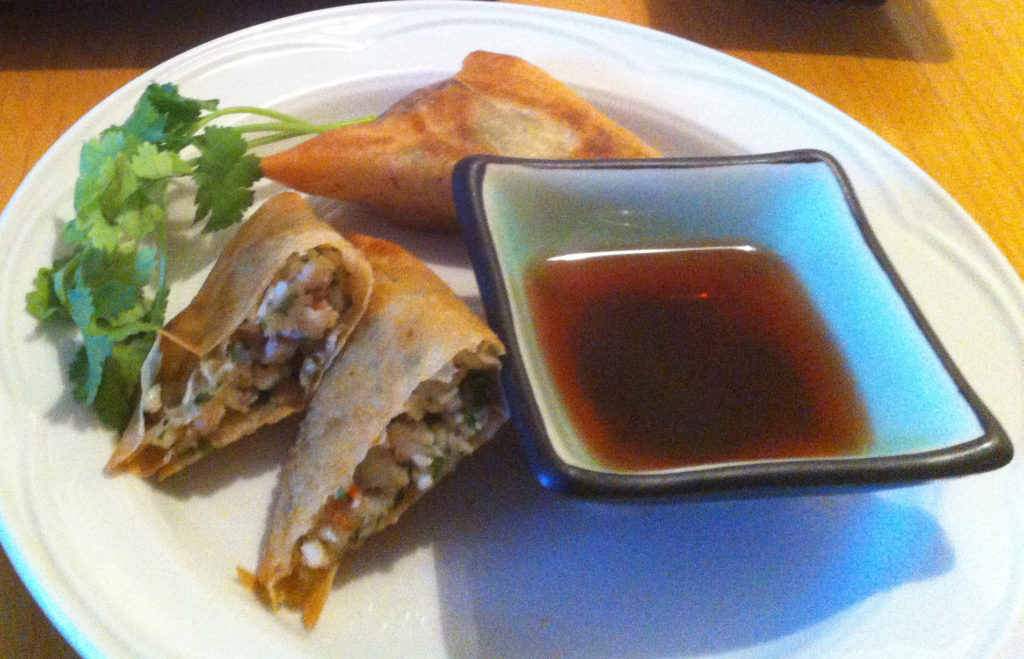
A wonderful 10th-century Baghdadi recipe made with a filling of shrimp, taro root, onion and spices stuffed inside thin sheets of bread fried in olive oil. Complement with soya sauce on the side for dipping. A great snack, or light lunch or dinner!
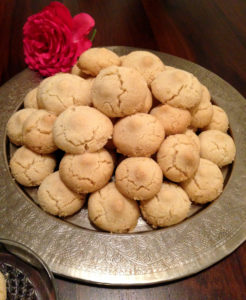
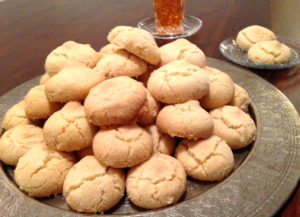
These scrumptious biscuits are extremely easy to make. Clarified butter (ghee), almond and wheat flour, and sugar are kneaded into a dough, which is then shaped into breasts before baking. Serve with some mint tea on a lazy weekend afternoon — or any other time for that matter! [Wasf al-at’ima, Ṣināʿa 52, p. 229].
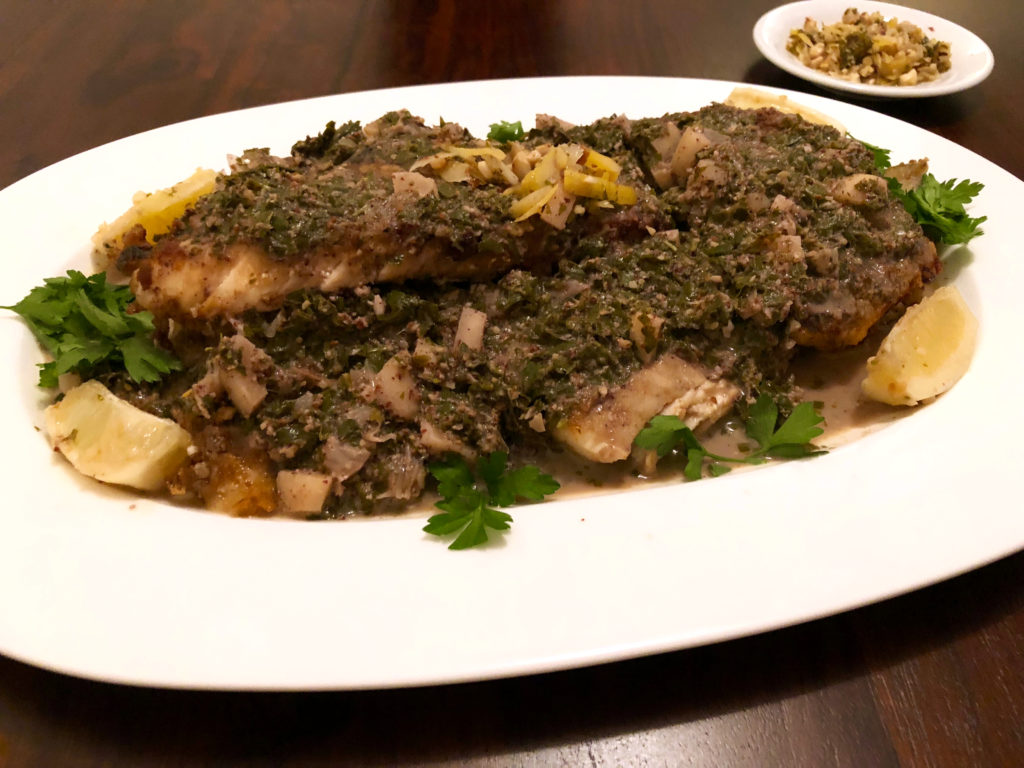
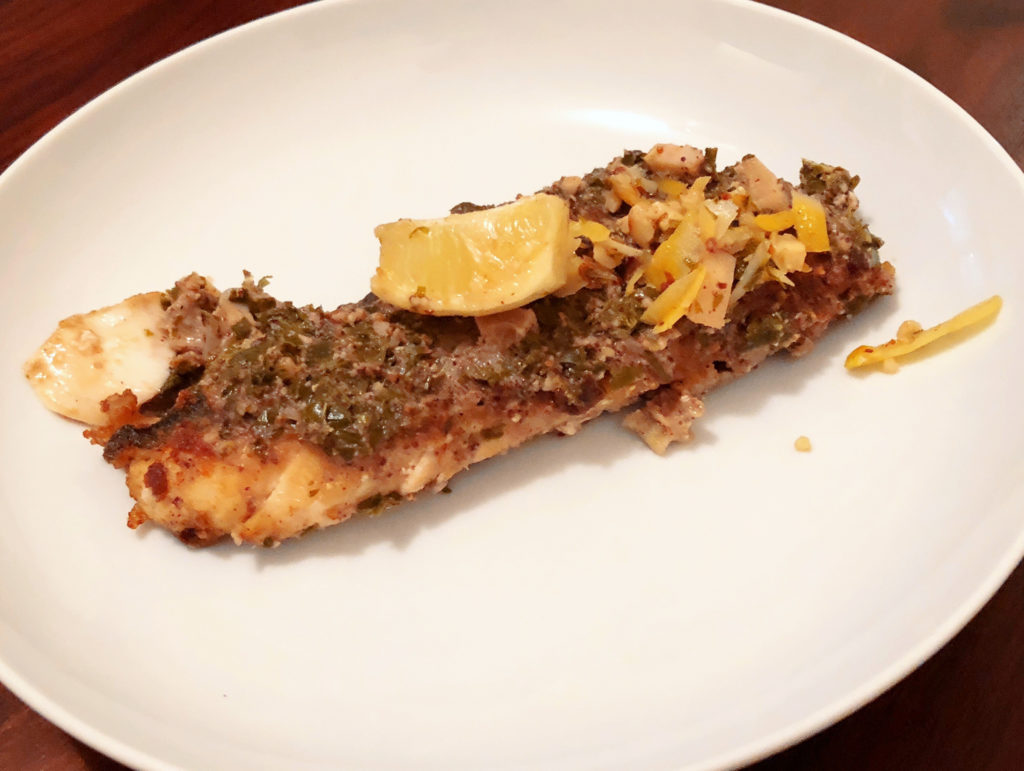
This recipe from 15th-century Egypt requires coating fish with coriander, caraway and flour before frying it in a pan. The sauce, which is cooked separately, is made with the following ingredients: carrots, sumac, coriander, thyme, garlic, pepper, chopped up salted lemons, and celery. [Ibn Mubārak Shāh, fol. 18r.]
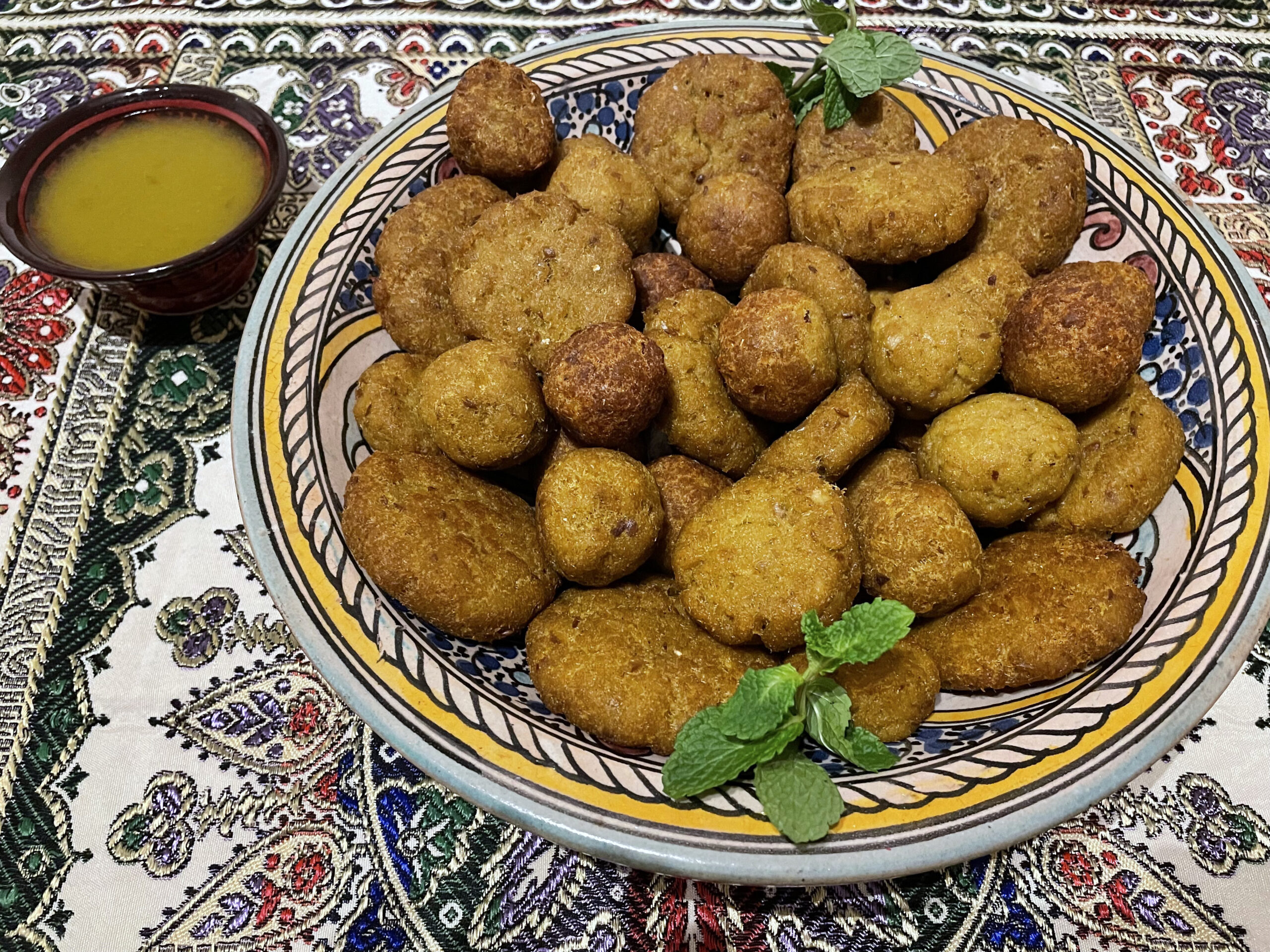
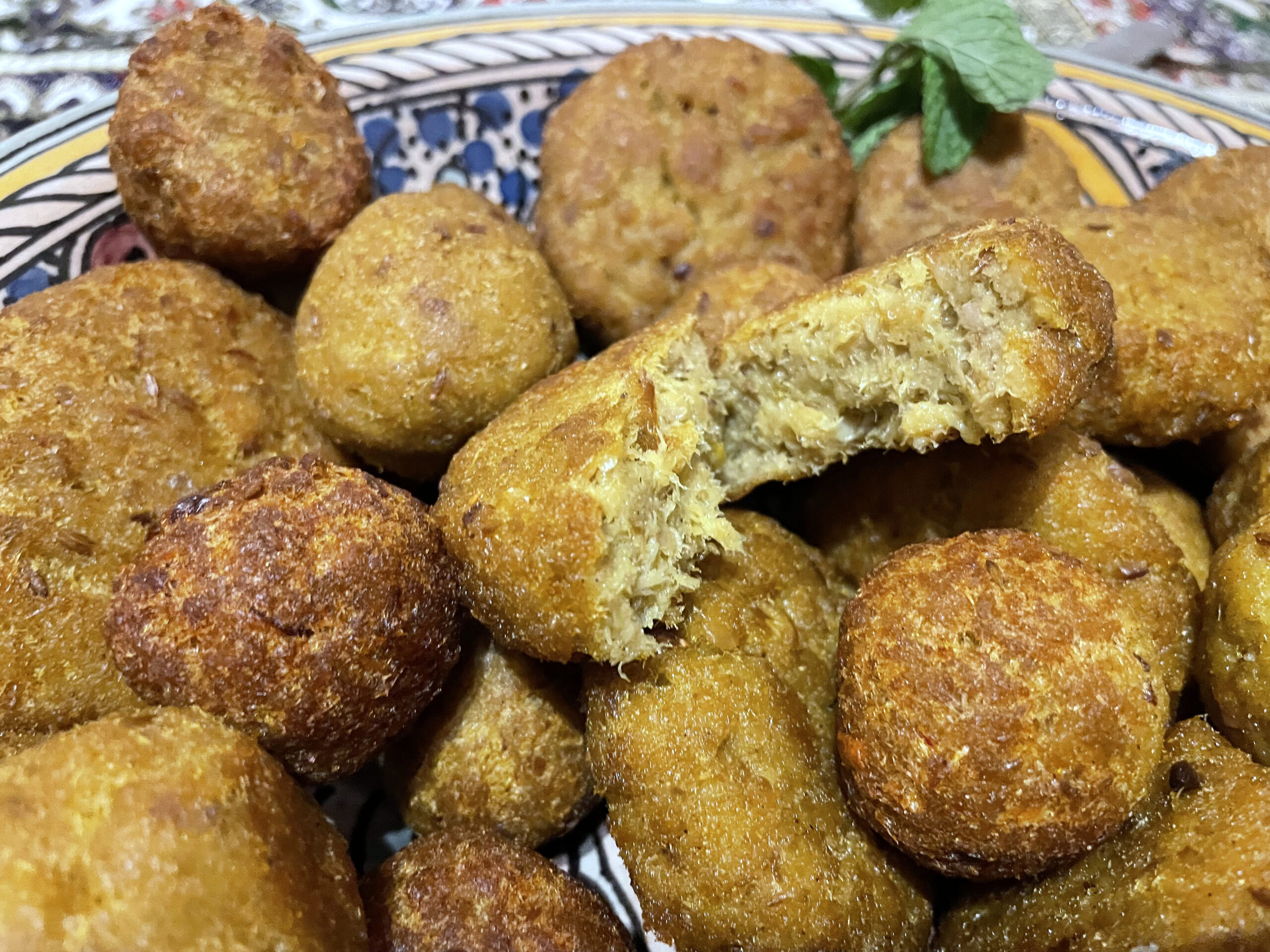
For these 13th-century fish cakes, you need two meaty fish of your choosing (we opted for cod), which are boned, cleaned and mashed. The following are added to the mixture before kneading it into cakes: salt, pepper, cinnamon, ginger, mastic, cumin, saffron, dried coriander, onion juice, garlic, mint juice, murri (a fermented barley condiment which can be replaced with soya sauce), and oil. Serve with a tangy sauce made with garlic, vinegar, soya sauce and olive oil. [al-Tujibi, 2012, 199]
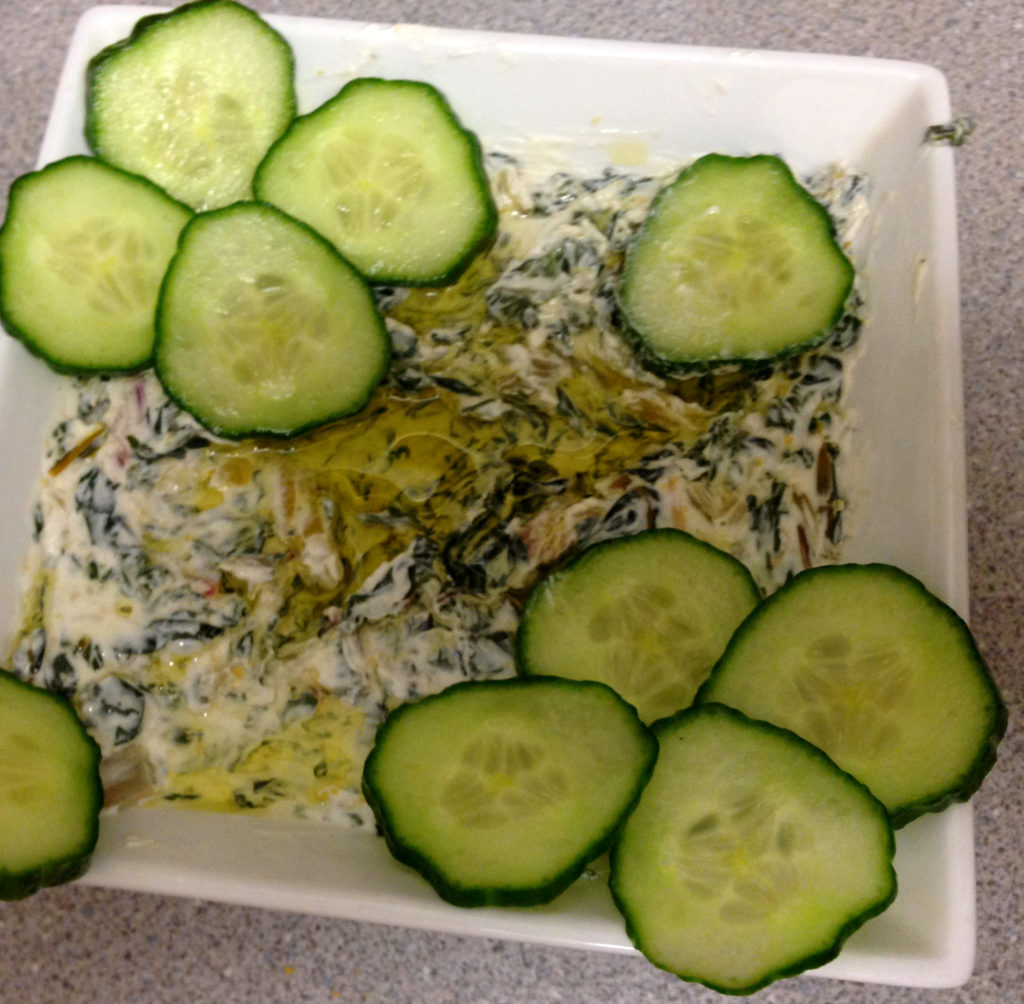
This recipe is one of a number of cold snacks (known as بوارد, bawārid) found in what is thought to be the earliest cookery manual (10th century). These cold dishes were served prior to the main course and eaten with bread. This particular dish is highly nutritional as well as very simple to make. It requires gourd, chard, mallow and purslane added with sweet yoghurt, mixed with ground mustard and olive oil. Though not in the original recipe, it seemed a good idea to decorate with some freshly sliced cucumber! It is wonderful with some crusty bread and makes for a perfect picnic dish!
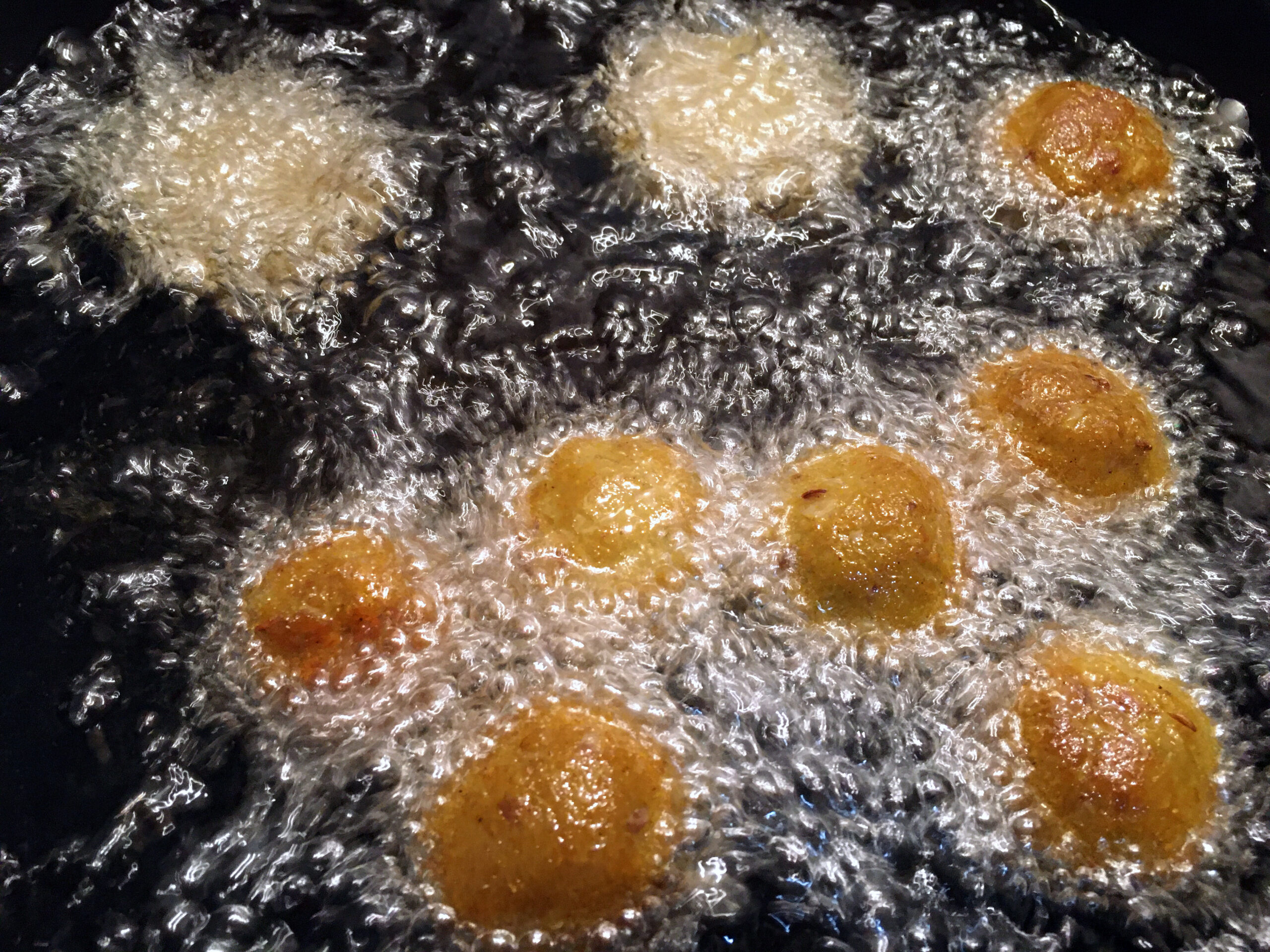
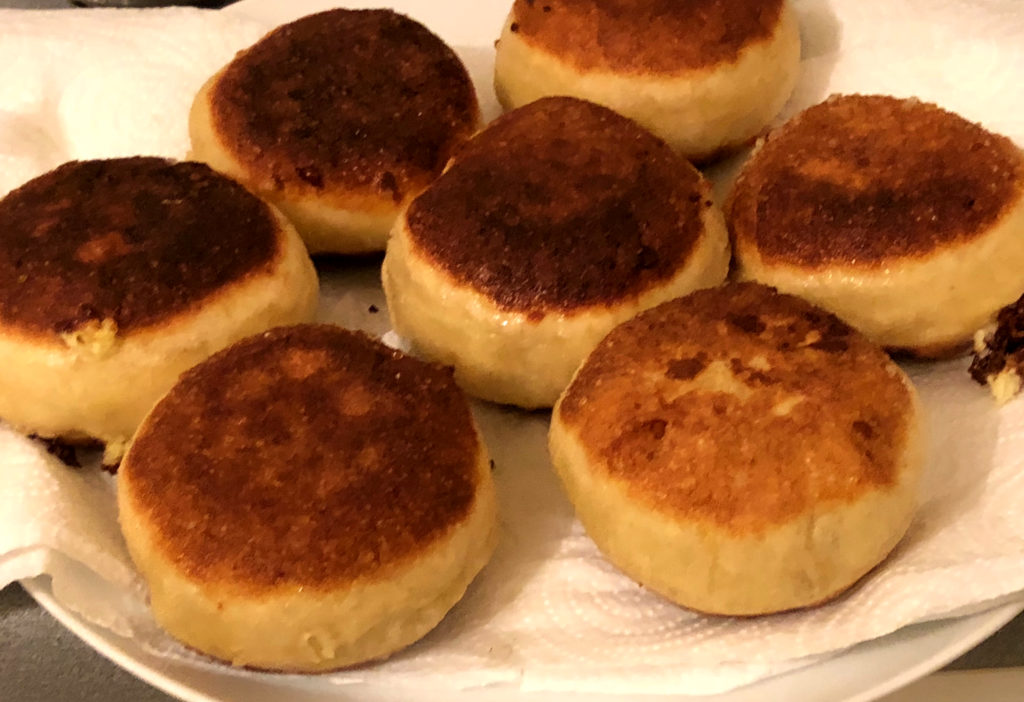
This was a speciality of the mediaeval Islamic west (al-Andalus, North Africa) and the cookbooks include quite a few recipes for mujabbanas, which were conspicuous by their absence from tables in the Near East. This 13th-century recipe requires flour, yeast and water to make a dough which is then shaped into balls and filled with cheese before deep frying in oil (though shallow frying also produces nice results). Don’t forget to drain them after removing them from the pan. They can also be turned into a sweet snack very easily through a generous dusting of sugar and cinnamon and with honey and rosewater for delicious dunking! There are a number of present-day descendants of the mujabbana, the most far-flung of which is probably the Brazilian pao de queijo.
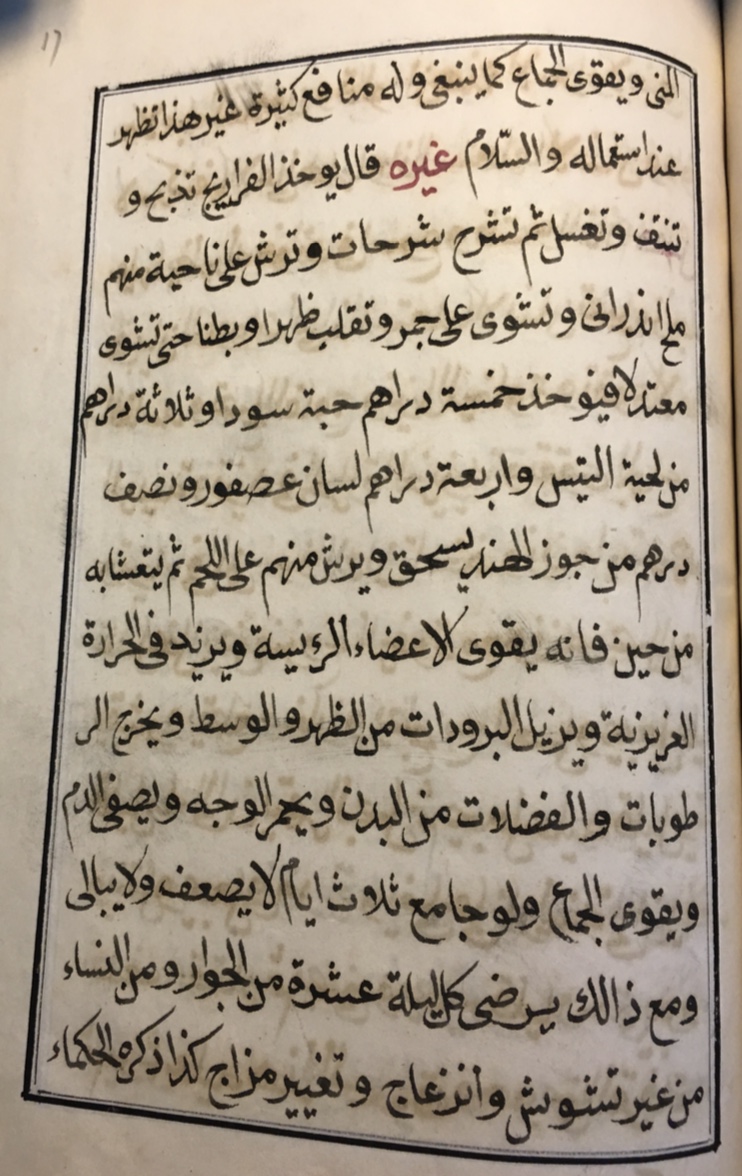
This is a dish not from one of the cookery books, but from a medical treatise on aphrodisiacs, written by the great astronomer al-Ṭūsī in the 13th century.
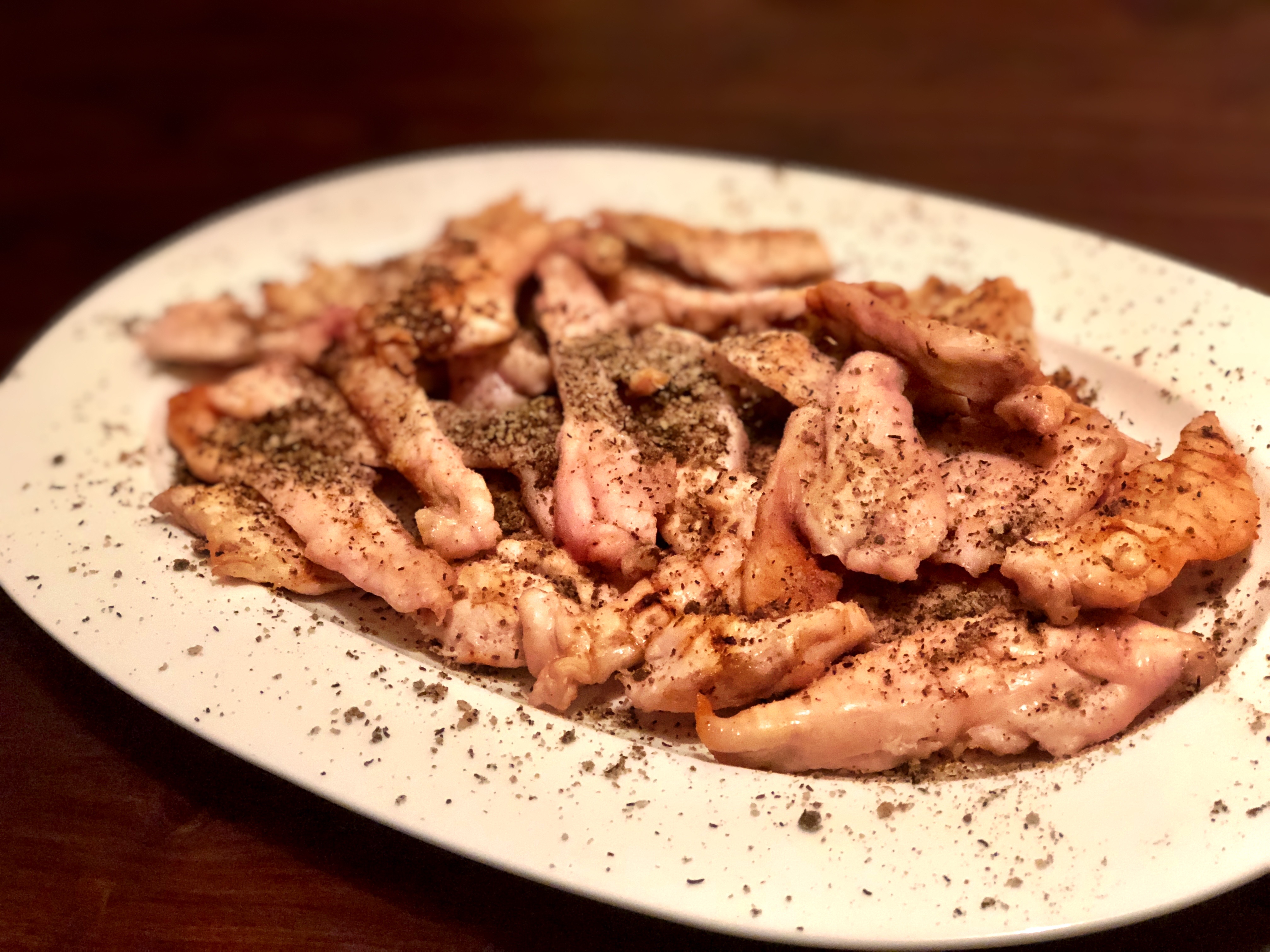
“Take some pullets; slaughter them; dry, wash and cut them up into slices. Sprinkle rock salt on the sides and grill on live coal, turning them over on each side until they are cooked. Then take five dirhams* of black cumin, three dirhams of goat’s beard, four dirhams of common ash and half a dirham of coconut. Pound all of these and sprinkle on the meat. This dish is eaten for supper. It strengthens the principal organs, increases innate heat, removes coldness from the back and loins, expels moistness and superfluities from the body, reddens the face, and purifies the blood. It also strengthens coitus to the extent that even when one has intercourse for three days running, one need not worry about growing weak. One is able to pleasure ten slave girls and freewomen every night, without any trouble or discomfort, as stated by the ancient philosophers and physicians.” (The Sultan’s Sex Potions, p. 103)
1 dirham = 3.125 g.
The Recipe
INgredients
1 plump chicken
1-2 teaspoons of rock salt
2.5 teaspoons of black cumin
1.5 teaspoons of desiccated goat’s beard (salsify)
1/2 teaspoon of common ash
3 teaspoons of desiccated coconut
method
Cut the chicken into thin slices
Mix the salt, cumin, salsify, common ash and coconut, and grind thoroughly with mortar and pestle
Sprinkle the chicken with rock salt and grill on charcoal for 45 mins on each side
Sprinkle the spice mixture on the cooked meat, and serve.
SERVING SUGGESTION
Eat with some rice and/or (Middle Eastern) flatbread (failing that, a foccacia would also be a great complement!).