Spotlight on: sumac (سُمّاق), the forgotten spice

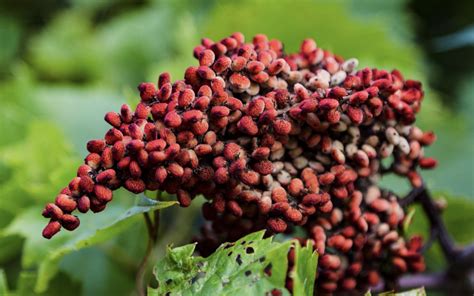
One of the emblematic spices used in Abbasid cuisine, sumac (Rhus coriaria) was already used in cooking by the ancient Greeks, who imported it from Syria. In mediaeval Arab cuisine, dried sumac berries (as well as husks), were used pounded, or macerated, and strained to make sumac juice, which was used as a marinade for meat, as a cooking liquid, souring ingredient (chicken and lamb stews), or to dye dishes red. The juice of sumac berries was also sometimes boiled down to produce a more condensed mixture, known as sumac dibs, which could be used for souring dishes. Its taste is perhaps best described as a mixture of lemon and vinegar. Scholars distinguished between two kinds of sumac, Khorasani and Syrian, the latter of which is smaller and red like lentil. In Islamic medicine, sumac was said to be useful against bleeding, tooth-ache, nausea, and the spread of ulcers. The extract can be used to colour the hair black. Physcians warned that it causes constipation, and thus dishes containing sumac were recommended for those suffering from diarrhoea. Apparently, the caliph Harun al-Rashid was very partial to the taste, particularly in savoury sumac stews (summāqiyya).
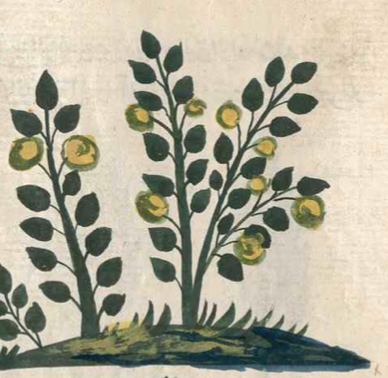
sumac as represented by al-Qazwini (d. 1283) in his ‘Wonders of Creation’ (عجائب المخلوقات وغرائب الموجودات)
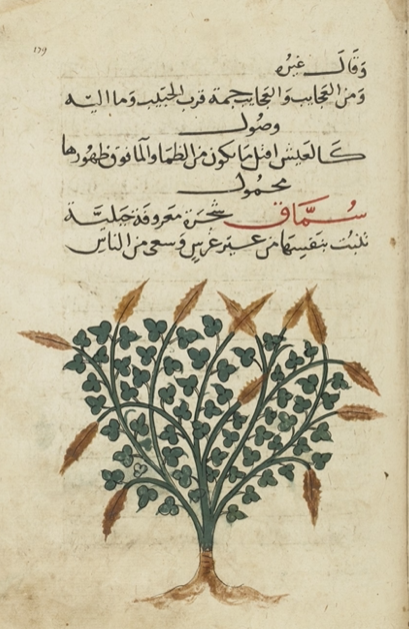
sumac in a 14th-century manuscript (BNF, arabe2771, fol. 179f.) of a text attributed to the Andalusian botanist Ibn al-Baytar (d. 1248)

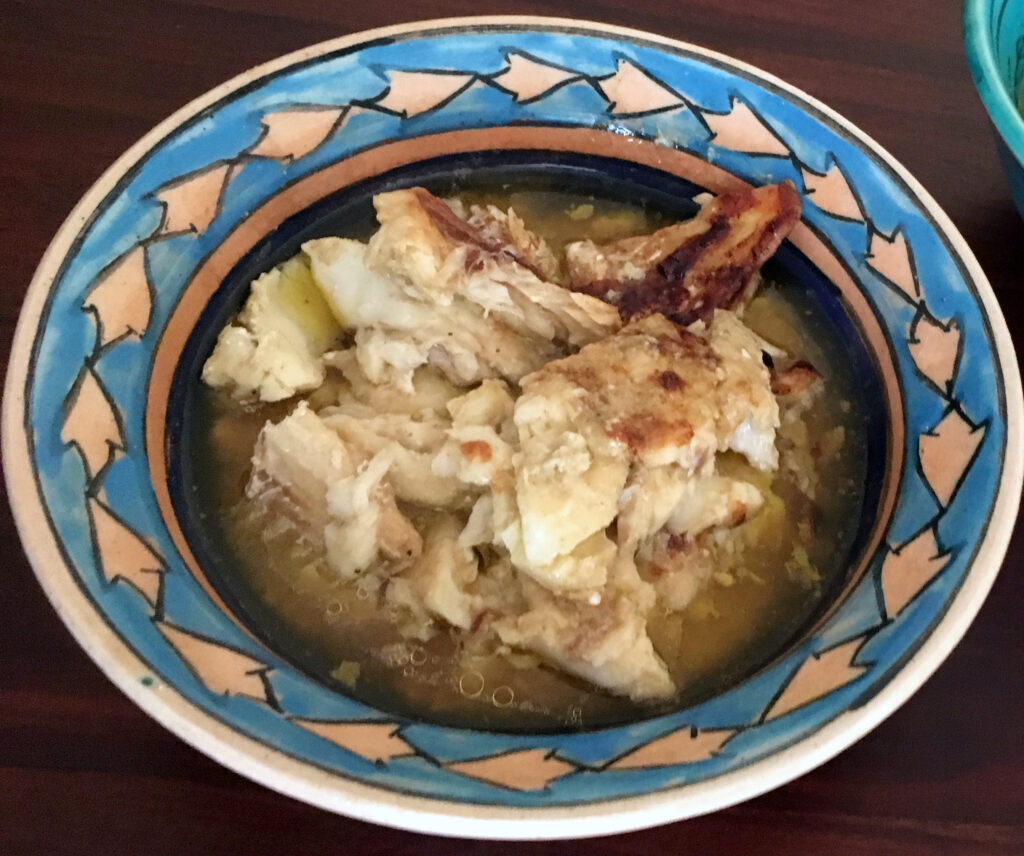
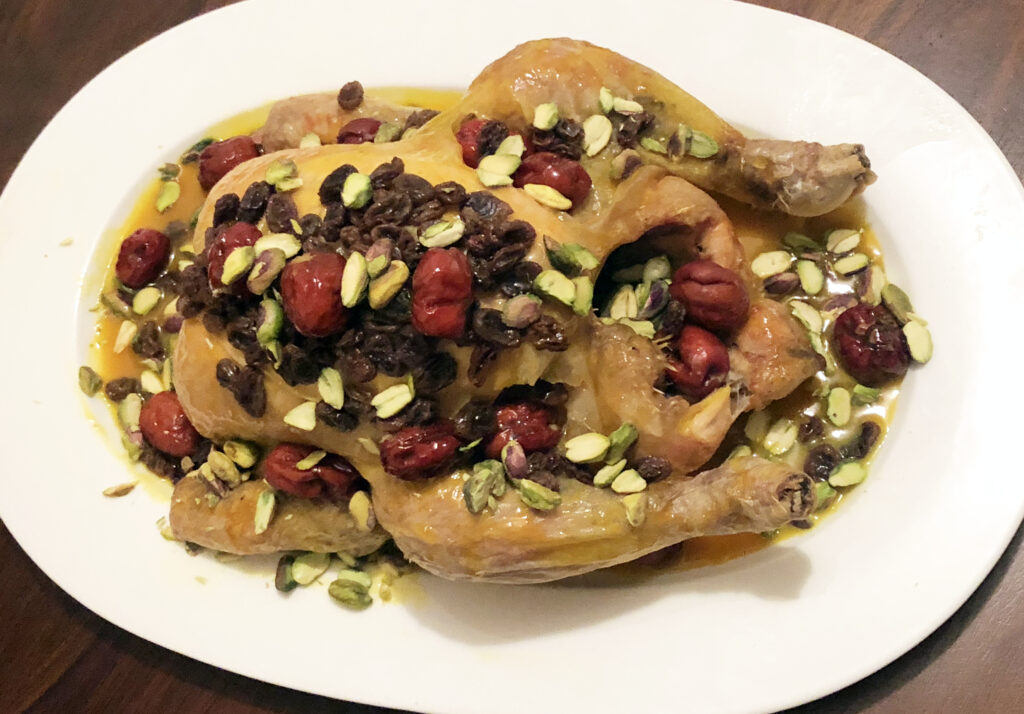
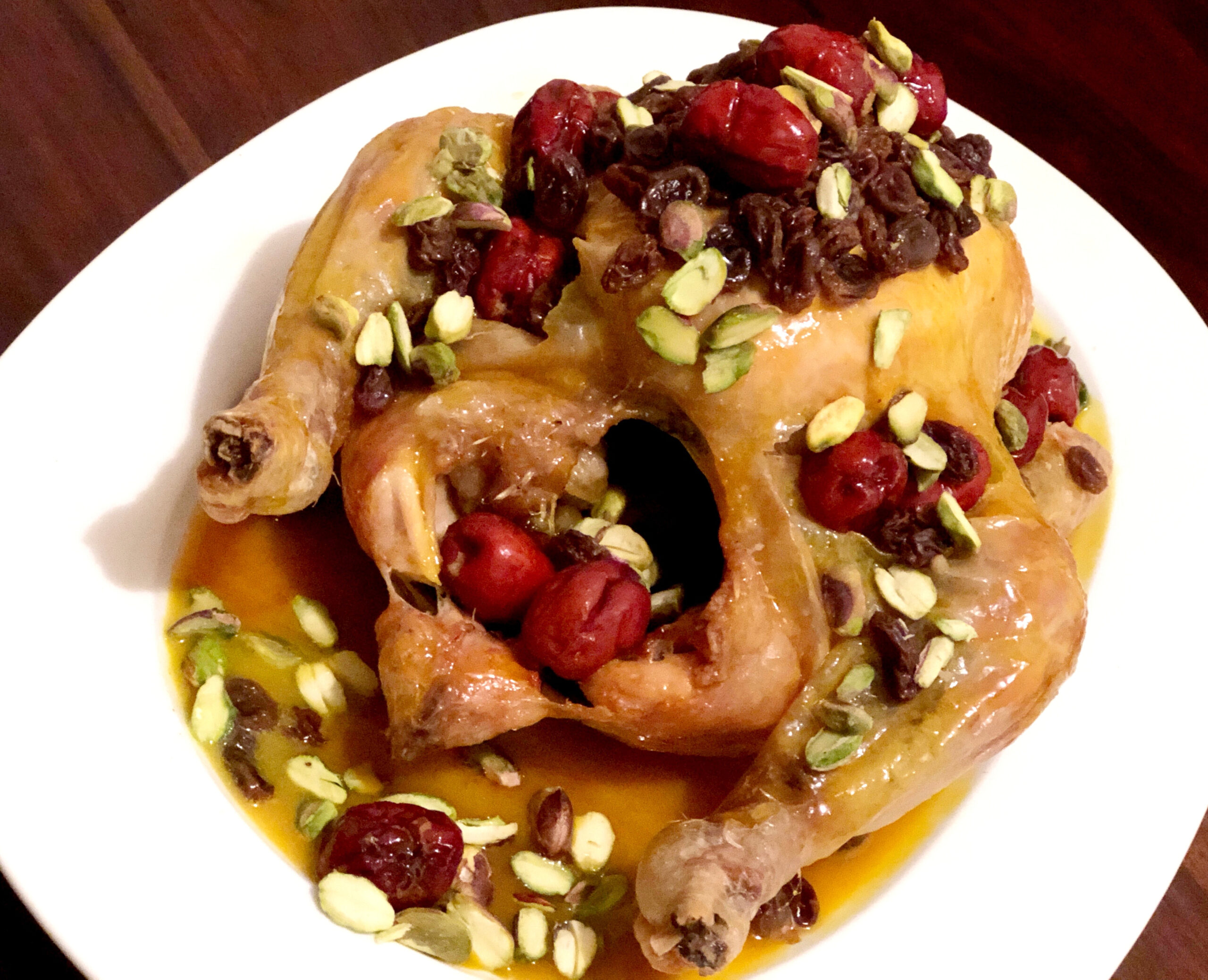
The Nubian Lady (سِتّ النُّوبة)

As the name indicates, this is originally an Egyptian dish, for which there are several recipes. The one recreated here dates from the 13th century and involves frying a chicken in sesame oil and then drenching it in a thick sauce, which is made with almond milk, sugar, and saffron. Afterwards, garnish with jujubes and black raisins that have been macerated in rose-water and mastic. When serving, sprinkle on split pistachios and toasted almond oil. A truly amazing dish, and yes, you can have fries with that, if you like!

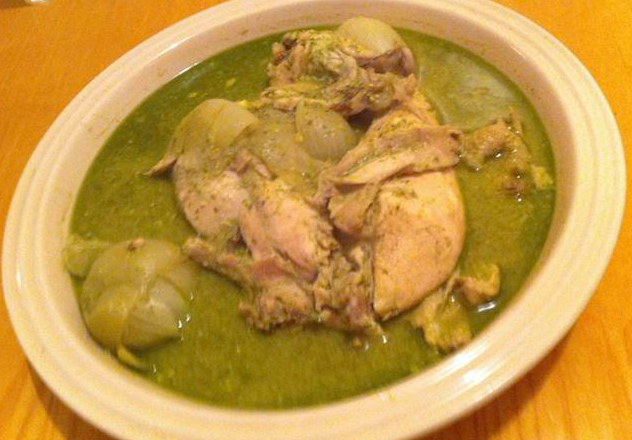
Green zirbaja (زِيرباجة)

The zīrbāja (or zīrbāj) was one of the most popular stews in the Abbasid cuisine, and was usually made with chicken, almonds, and saffron. Its renown was such that it is the plot in one of the stories of the Arabian Nights. This particular dish (from a tenth-century cookery book) is rather unusual in that it is coloured green by means of a sauce made of crushed parsley, rue, and pistachios. Other ingredients include spices like coriander, pepper and cassia.

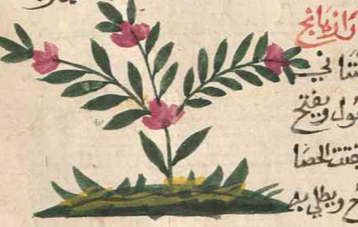
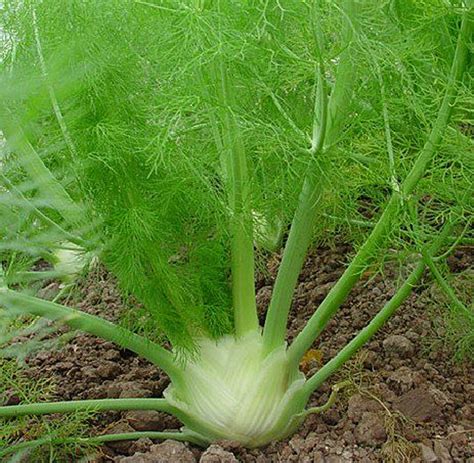
Spotlight on: Fennel (رازيانج)

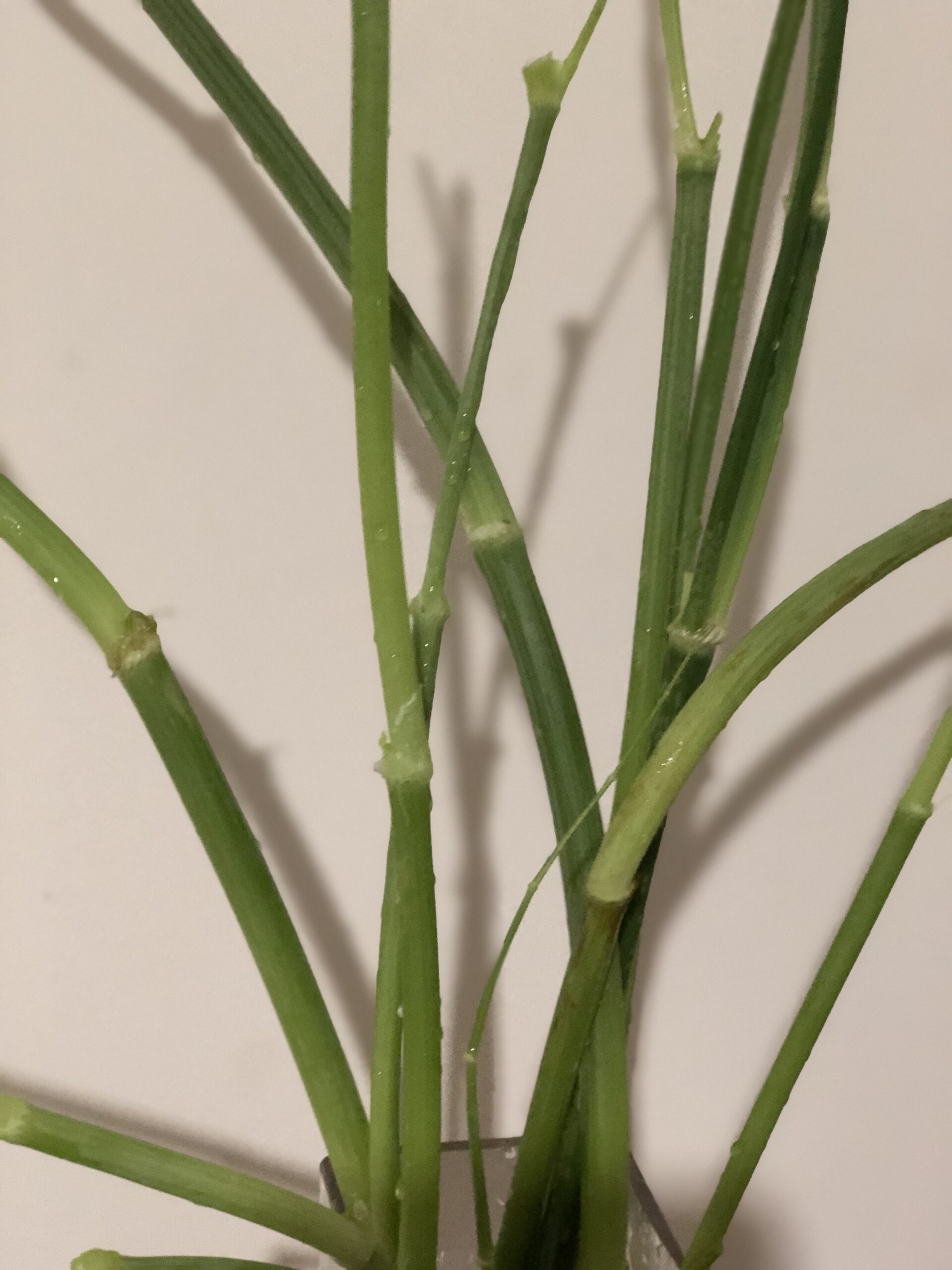
The usual Arabic word for fennel (Foeniculum vulgare), rāziyānaj, is a borrowing from Persian (where it is also appears as rāzyām and rāziyāna). Its other names include shamar (another Persian borrowing) and, in the Maghrib, nāfiʿ (نافع) and basbās (بسباس). it is native to the Near East, but was already used in cooking in classical Antiquity. In mediaeval Arab cuisine it was particularly popular in Andalusian and North African cuisines, which used its seeds, stalks or leaves in a number of recipes, ranging from stews and condiments to drinks, or pickled. Medically, wild fennel was recommended in the treatment of blockages, to strengthen the eye- sight, and against nausea and heartburn. It was also considered a diuretic and emmenagogue. At the same time, it is slow to digest (its root causes constipation) and not very nutritious. Today, it is still used in pharmacology for its antioxidant, antitumor, hypoglycemic, and oestrogenic properties.

fennel in al-Qazwini’s ‘Wonders of Creation’ (13th century)

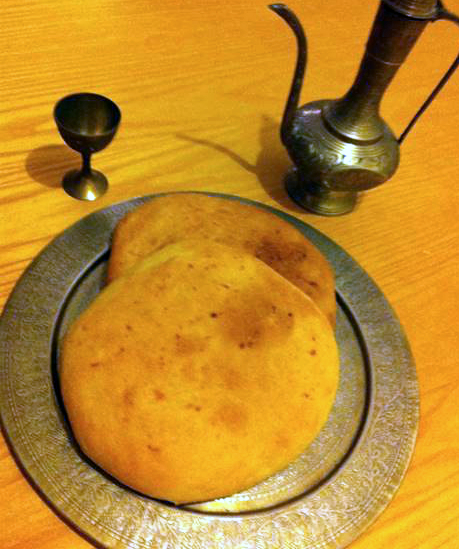
Rubbed bread (خُبْز مَعْرُوك)

ِA delicious Abbasid bread recipe from the 10th century. It takes its name from the fact that after making the dough and letting it rise, it is rubbed with olive oil. Preheat the oven (or a tannur if you happen to have one out in the back!), and bake. Don’t forget to drizzle on water and milk before putting the loaves in the oven.

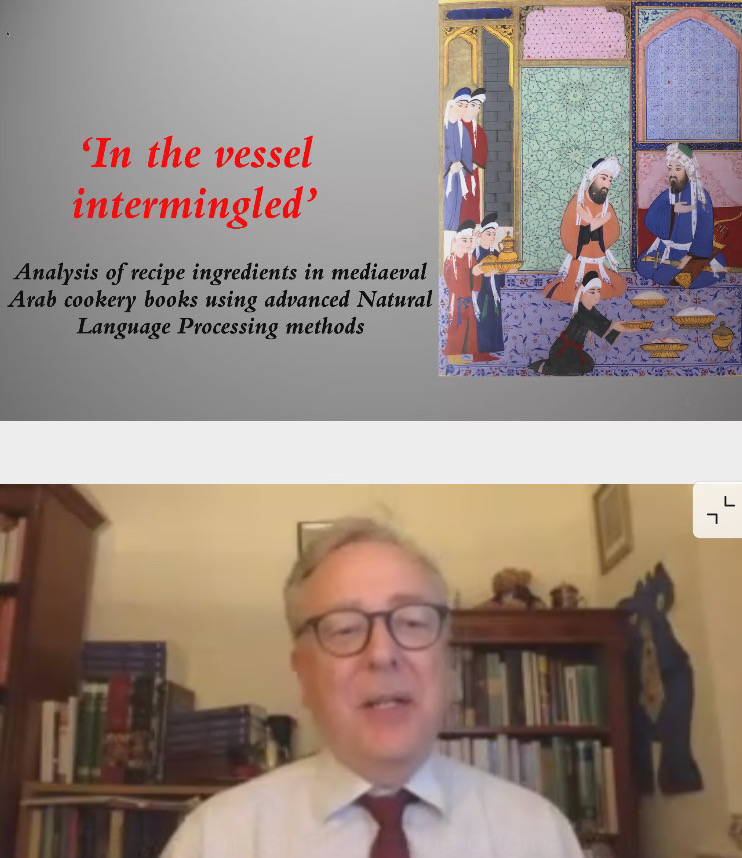
Digital Humanities and Food Studies: Webinar talk

At today’s webinar on Digital Humanities in the MENA region organized by Hamad bin Khalifa University, I presented an exciting joint project with Prof. George Mikros related to the analysis of recipes in mediaeval Arab cookery books using advanced Natural Language Processing methods. This is the first time state-of-the art Natural Language Processing (NLP) methods are applied to a corpus of mediaeval Arab recipes. The aim is to identify (1) patterns of ingredients and flavours; (2) diachronic changes in the selection and frequency of ingredients; and (3) relationships among the treatises. This analysis will not only help us detect the core themes of Arabic cuisine in medieval times, but will also show how these topics evolved over time as the structure of the constituent ingredients changed. Finally, this information will reveal crucial evidence about the authorship of recipes since quantitative profiling can reveal significant aspects of style. These findings are especially useful in the identification of anonymous texts.

Spotlight on: Saffron, the Queen of Spices

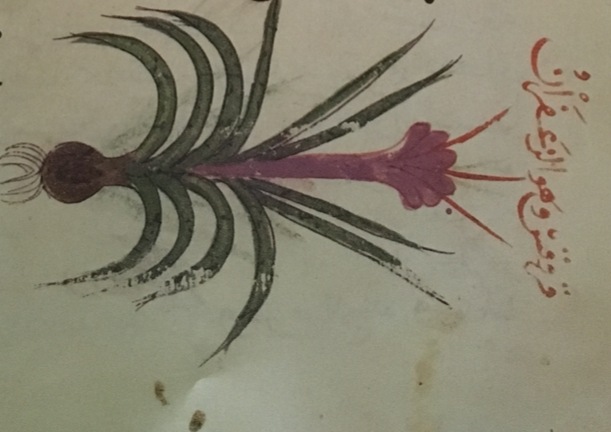
This most precious of spices is known in Arabic as za’farān (زعفران), which is the origin of our English word.
In cooking it was used as an aromatic and, more frequently, to colour dishes, in which case it tended to be added at the end of the cooking process. It is also found in incense recipes and perfumes. The 13th-century anonyous Andalusian treatise recommends using saffron in pickled dishes and those with poultry that include vinegar and murrī.
It was also commonly referred to as kurkum, which actually denotes turmeric (Curcuma longa, a plant from the ginger family). The confusion between the two may also explain why kurkum does not appear in the cookery books. Then as now, there were complaints about unscrupulous market vendors adulterating saffron with turmeric, which, itself, was also often corrupted by mixing in ground pomegranate skins! According to some scholars, kurkum was the root of saffron. Medicinally, it was thought to strengthen the stomach, heart, liver, and complexion. However, physicians warned that it could also cause headaches, and the fact that it is poisonous — even lethal — at large doses. According to the pharmacologist al-Samarqandī (d. 1222), saffron enhances digestion, but cuts appetite and is harmful to the brain. It was also said to be an anaesthetic and diuretic. Because of its aphrodisiacal properties, the Prophet is said to have forbidden the wearing of clothes dyed with saffron for pilgrims who were in a state of ritual purity, and thus debarred from sexual activity.

Ostler Library MS7508, fol. 153b.

New Book!

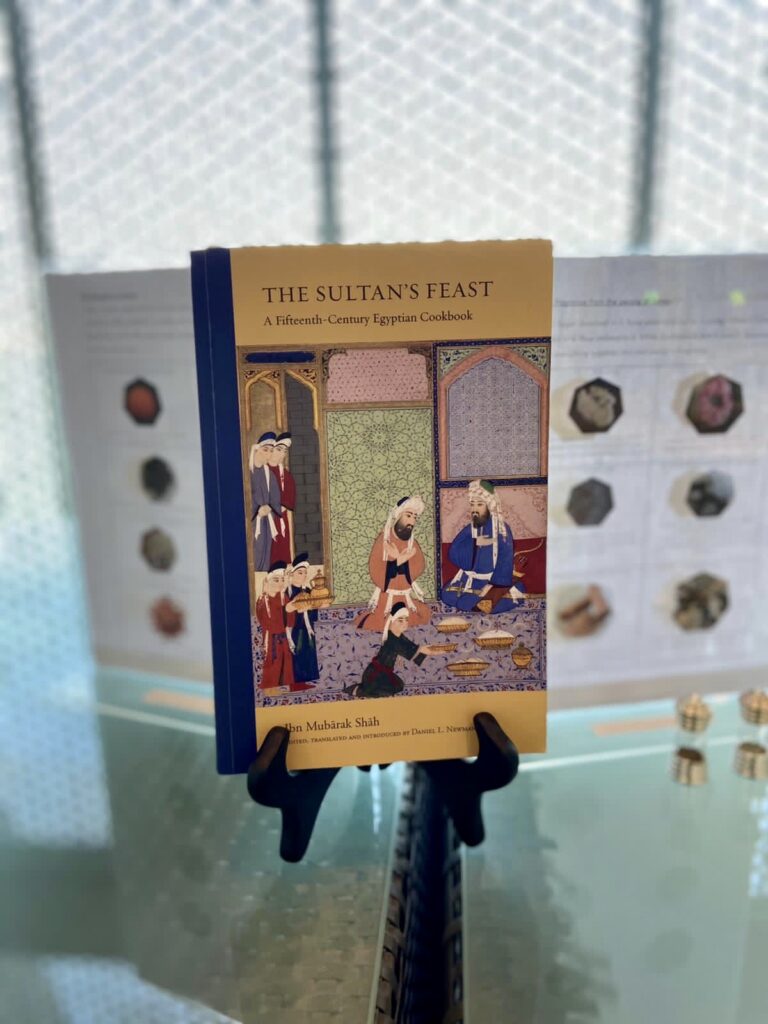
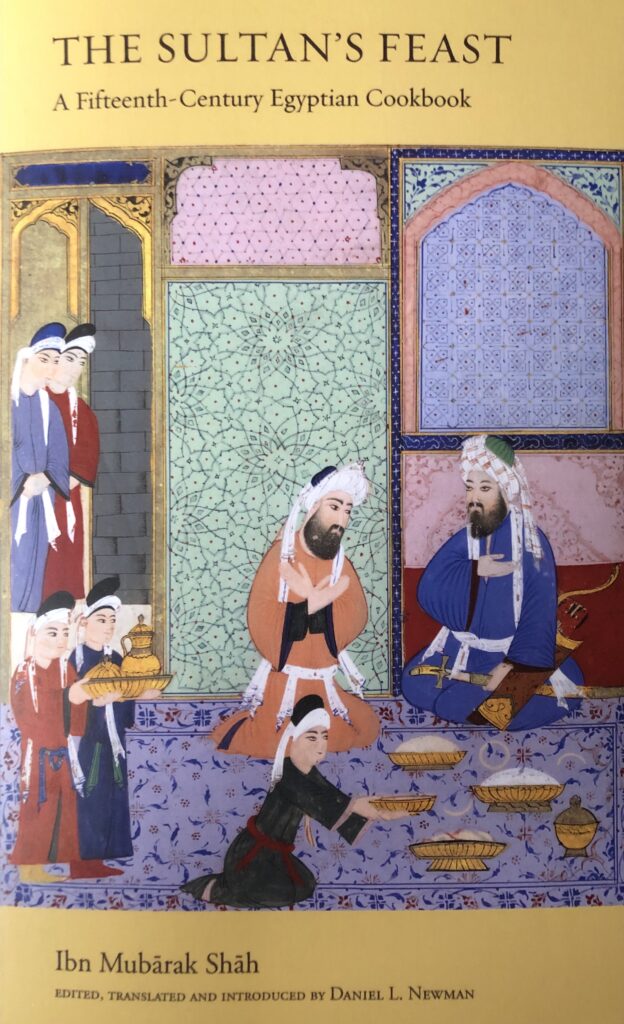
Today is the official release of The Sultan’s Feast, a study, edition and annotated English translation of a fifteenth-century Egyptian cookbook (London: Saqi Books). Based on the sole surviving manuscript, it contains 332 recipes, ranging from bread-making and savoury stews, to roasts, sweets, pickles and condiments, as well as perfumes.